Beginning with Integrating Smartsheet with Excel: Advanced Dynamic View Setup for Real-Time Reporting, the narrative unfolds in a compelling and distinctive manner, drawing readers into a story that promises to be both engaging and uniquely memorable.
This comprehensive guide delves into the benefits, setup process, dynamic view creation, and real-time reporting strategies when integrating Smartsheet with Excel.
Overview of Integrating Smartsheet with Excel
Integrating Smartsheet with Excel offers a range of benefits, particularly in the realm of real-time reporting. By combining the power of these two tools, users can streamline their data analysis and project management processes effectively.
Enhanced Data Analysis
- Seamless integration allows for easy transfer of data between Smartsheet and Excel, enabling users to work with their preferred tools while maintaining data consistency.
- Real-time updates ensure that reports are always up-to-date, providing accurate insights into project progress and performance.
- Advanced functions in Excel can be leveraged to perform complex data analysis on the information stored in Smartsheet, enhancing decision-making processes.
Improved Project Management
- Integration facilitates the automation of repetitive tasks, saving time and reducing the risk of errors in project management workflows.
- Customizable views in Smartsheet can be dynamically linked to Excel for comprehensive reporting, allowing stakeholders to access key project metrics in real time.
- Collaboration is enhanced as teams can share and update project data seamlessly, fostering better communication and coordination.
Importance of Advanced Dynamic View Setup
Setting up advanced dynamic views is crucial in this integration as it allows users to create interactive reports that can be easily updated and modified based on changing project requirements. By configuring dynamic views in Smartsheet and linking them to Excel, users can ensure that their reports are always accurate and reflect the most recent project data.
Setting up Smartsheet and Excel Integration
To integrate Smartsheet with Excel for advanced dynamic view setup and real-time reporting, follow these steps:
Connecting Smartsheet with Excel
To connect Smartsheet with Excel, you can use the Smartsheet Live Data Connector. Here's how to do it:
- First, install the Smartsheet Live Data Connector add-in for Excel.
- Open Excel and go to the Data tab, then select 'Get Data' and choose 'From Other Sources'.
- Click on 'Smartsheet' and enter your Smartsheet account credentials to connect.
- Select the Smartsheet data you want to import into Excel and load it into your spreadsheet.
Importing Smartsheet Data into Excel
To import Smartsheet data into Excel for real-time reporting, consider the following:
- Use the Smartsheet Live Data Connector to establish a connection between the two platforms.
- Choose the specific data set or report you want to import from Smartsheet into Excel.
- Set up automatic refresh intervals to ensure that the Excel data reflects real-time updates from Smartsheet.
Comparing Integration Methods
There are various methods to integrate Smartsheet with Excel, each with its own advantages and best practices:
- Using the Smartsheet Live Data Connector offers real-time data synchronization and easy setup.
- Manual exporting/importing of data allows for more control over the process but may require frequent manual updates.
- Third-party integration tools like Zapier or Microsoft Power Automate can automate data transfer between Smartsheet and Excel.
Advanced Dynamic View Setup in Smartsheet
Dynamic views play a crucial role in real-time reporting by allowing users to create customized data visualizations tailored to their specific needs. These views enable users to interact with their data in a dynamic manner, making it easier to analyze and interpret information quickly.
Creating Dynamic Views in Smartsheet
To create dynamic views in Smartsheet, users can follow these steps:
- Start by selecting the sheet containing the data you want to visualize.
- Click on the "Views" dropdown menu and select "Create Dynamic View."
- Choose the columns you want to display in the dynamic view and set up any filters or conditions to customize the data.
- Save the dynamic view and give it a meaningful name to easily identify it later.
Examples of Dynamic View Setups
Here are some examples of dynamic view setups optimized for different reporting needs:
- Revenue Dashboard: Create a dynamic view that displays real-time revenue data by region, product, or salesperson to track performance and identify trends.
- Project Status Tracker: Set up a dynamic view that shows the status of various project tasks, timelines, and dependencies for efficient project management.
- Resource Allocation Chart: Develop a dynamic view that visualizes resource allocation across different projects, teams, or departments to optimize resource utilization.
Real-Time Reporting Strategies
Real-time reporting is a critical aspect of utilizing the integration between Smartsheet and Excel effectively. By implementing the right strategies, you can ensure that your data is always up-to-date and accurate, allowing for informed decision-making and improved productivity.
Automating Data Updates for Seamless Reporting
Automating data updates is key to achieving real-time reporting in Smartsheet and Excel integration. By setting up automated processes, you can ensure that your reports are constantly refreshed with the latest information, eliminating the need for manual updates and reducing the risk of errors.
- Utilize Smartsheet automation features: Take advantage of Smartsheet's automated workflows and alerts to trigger updates in real-time based on specific criteria or events.
- Use Excel's data connection capabilities: Create data connections in Excel to automatically pull in updated information from Smartsheet, ensuring that your reports are always current.
- Implement scheduled refreshes: Set up scheduled refreshes for your Excel workbooks to ensure that the data is regularly updated without manual intervention.
Maintaining automated data updates is essential for real-time reporting accuracy and efficiency.
Best Practices for Data Accuracy and Consistency
Ensuring data accuracy and consistency is crucial for real-time reporting to be reliable and valuable. By following best practices, you can maintain the integrity of your reports and make informed decisions based on accurate information.
- Establish data validation rules: Define validation rules in Smartsheet to ensure that only accurate and consistent data is entered into your sheets.
- Implement version control: Maintain a clear version control system to track changes and updates to your reports, ensuring that you are always working with the most recent data.
- Regularly audit and reconcile data: Conduct regular audits of your data to identify any discrepancies or errors, and reconcile any inconsistencies to ensure data accuracy.
Conclusive Thoughts
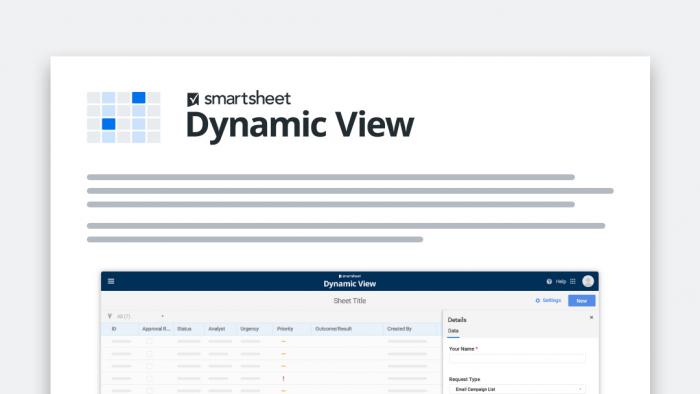
In conclusion, mastering the integration of Smartsheet with Excel for advanced dynamic view setups opens up a world of possibilities for real-time reporting, enabling efficient data analysis and project management. Stay ahead of the curve with these powerful tools at your disposal.
FAQ
How can I automate data updates for real-time reporting?
You can set up automated workflows using tools like Microsoft Power Automate to ensure seamless data updates between Smartsheet and Excel.
What are the benefits of using dynamic views in Smartsheet for reporting?
Dynamic views allow for customized data visualization, making it easier to interpret and analyze information for different reporting needs.
Is it possible to integrate multiple Smartsheet files with a single Excel sheet?
Yes, you can consolidate data from multiple Smartsheet files into one Excel sheet by following a structured import process.







![Latest Rate Overview ᐈ Home Loan Refinancing [Updated 2023]](https://architect.semaraknews.co.id/wp-content/uploads/2026/02/Lowest-Fixed-Rate-Mortgage-Rates-120x86.jpeg)